

Choose Department


Protecting Your Poultry From Avian Influenza This Winter
03 Nov 2025
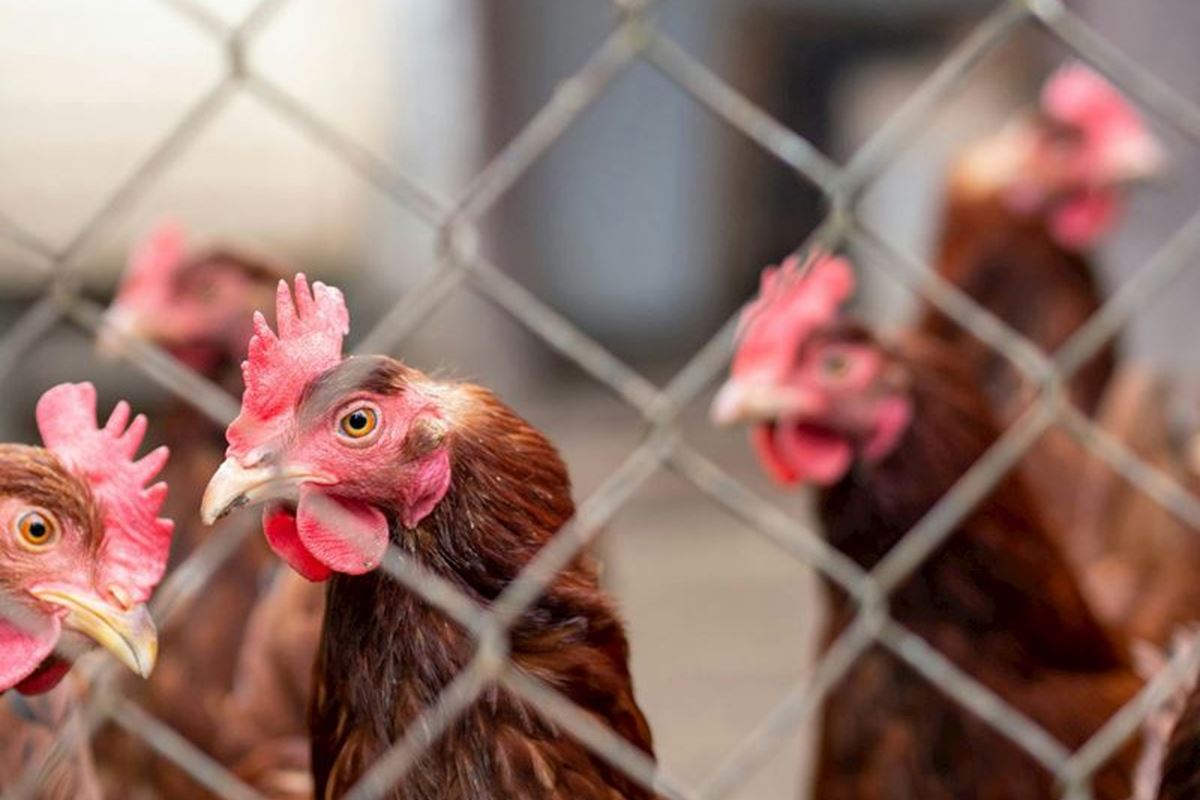
The number of Bird Flu (Avian Influenza) cases is rising on commercial farms and in backyard flocks throughout several counties in England. This increase is partly attributed to migratory birds traveling south and encountering other birds during their journey. The transmission primarily occurs through their droppings, as well as through the communal use of animal feed and water, which can result in contamination. In response to the influx of cases, the government has introduced an Avian Influenza Prevention Zone with housing measures, requiring bird keepers to keep their flocks on a strict lockdown in their housing to prevent transmission.
It is vital to protect your birds from this disease as it can have huge financial costs when flocks must be culled.
The European Food Safety Authority has published guidance on essential biosecurity measures:
1. Access Control
• Restrict the entry of visitors and equipment onto the farm unless it is absolutely essential.
• Ensure that a disinfection protocol, such as the Boot Disinfectant Dip, is readily available for visitors to sanitize their footwear.
• If feasible, maintain specific clothing designated for farm work to avoid cross-contamination.
• Disinfect vehicles before entering the farm or premises. Install a specialist disinfectant mat at the entrance to clean the tyres of HGVs, Tractors and SUVs.
2. All-in, all out
• Implementing an all-in, all-out system enhances production efficiency and minimizes the frequency of farm visits, thereby decreasing the likelihood of disease infiltrating the flock.
• For those with backyard hens, it is advisable to isolate any new animals prior to integrating them with the existing flock.
• Before introducing new birds or hatching eggs to a farm, ensure that health documentation is reviewed first.
3. Full Clean Out
• Thoroughly clean and disinfect all facilities, equipment, and housing areas after each production cycle.
• Isolate 'clean' sections (those in contact with animals) from 'dirty' sections (those in contact with external areas) of the farm. Eliminate all waste and sanitize the environment to safeguard the subsequent group of birds.
4. Safe Shelter
• A clean and secure environment minimizes the likelihood of diseases infiltrating the farm.
• Ensure that drainage systems are functioning correctly.
• Establish a pest control strategy.
• Keep insulation and ventilation systems well-maintained.
5. Waste Handling
• Ensure that manure, leftover food, and deceased birds are disposed of promptly and safely to prevent the spread of diseases by wild animals.
6. Feed And Water
• Ensure the provision of clean water and uncontaminated feed. Refrain from using feed that has been contaminated by dirt, droppings, or moisture. Water should not be sourced from open water supplies; only utilize water from clean sources.
7. Know the risks
• Utilize signage and physical barriers to ensure that both staff and visitors are informed of the necessity to adhere to biosecurity measures such as cleaning boots, changing clothing, and washing hands prior to entering specific areas.
8. No room for wild birds
• Always keep feed and bedding in sealed or waterproof containers to prevent contamination.
• Avoid transferring feed between various flocks.
• Ensure that there is no stagnant water present on the farm.
• Maintain short grass and vegetation near the fences to avoid wet areas and deter wild birds from foraging.
• Conduct regular inspections to identify any holes or gaps in barriers.
• Utilizing scare devices or deterrents can effectively discourage wild birds from entering the farm area.
9. Housing separately
• Combining different species heightens the likelihood of disease transmission. Various poultry types, such as chickens, ducks, and turkeys, ought to be kept in separate housing.
10. Spotting the signs
There are important indicators to observe within your flock that may suggest the presence of Avian Influenza, including:
• A reduction in food or water consumption
• Unexpected fatalities within the flock
• Respiratory issues
• Unusual behaviour
If you believe you have identified any signs of illness, please report it without delay. The quicker action is initiated, the higher the likelihood of averting a significant outbreak. Reach out to your veterinarian or local animal health authorities if you suspect Avian Influenza.
Refrain from handling potentially infected animals without appropriate protective gear and hygiene measures.
Aspli Safety offers a range of biosecurity and infection control products to prevent the spread of viruses and diseases such as Bird Flu. Included in the range are specialist disinfection mats for HGVs, Tractors and Personnel and Boot Cleaning Dip Stations. Shop the range now or call us on 0113 2461 550 for more information.